Kitchen Remodeling
Designing a Kitchen Layout Around Daily Rituals in Washington DC
By
Amber Niewald
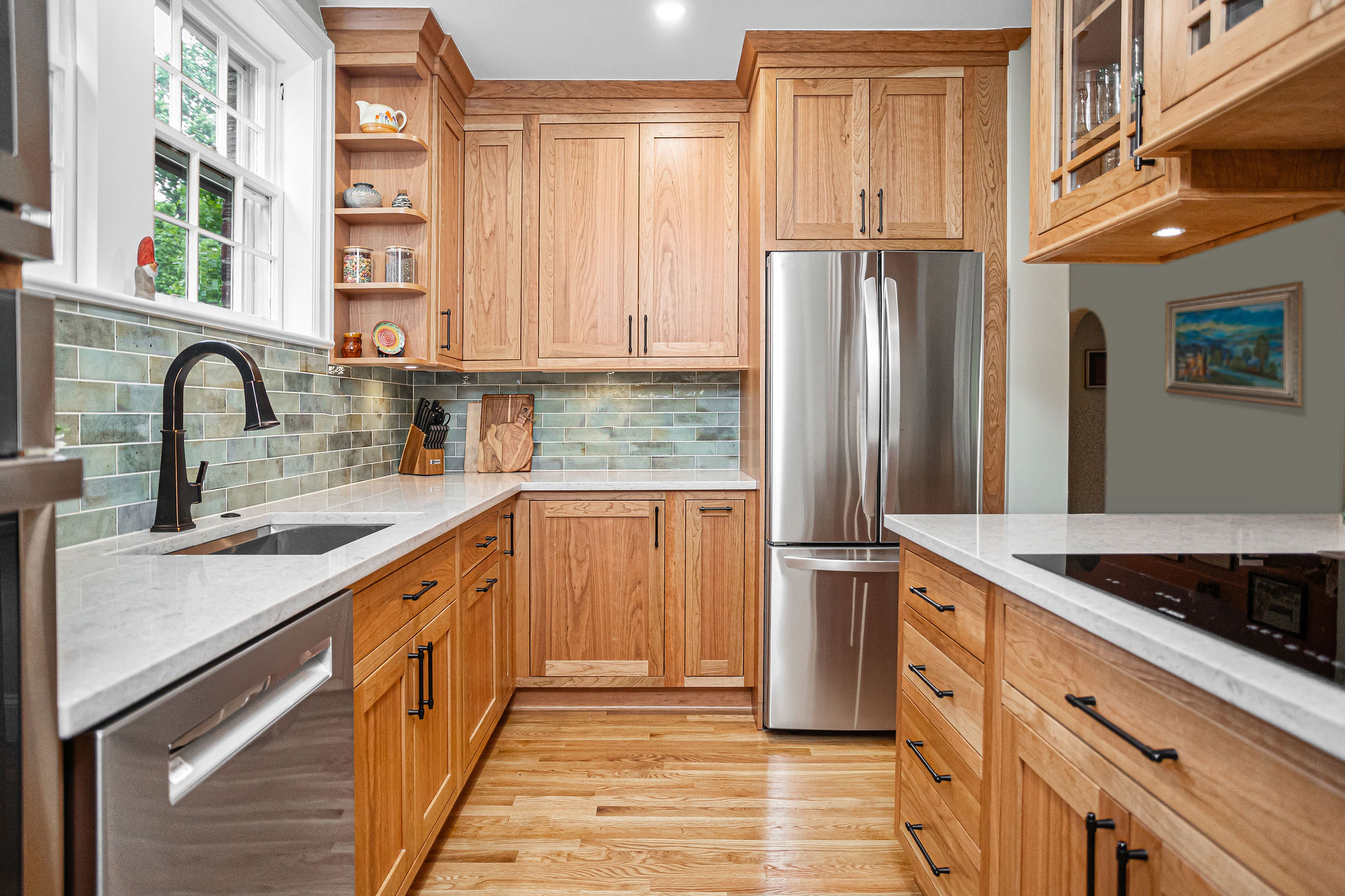
The way a kitchen is lit shapes how you move through it. In DC homes, where kitchens carry a lot of daily weight, lighting is one of the decisions a designer and homeowner make together.
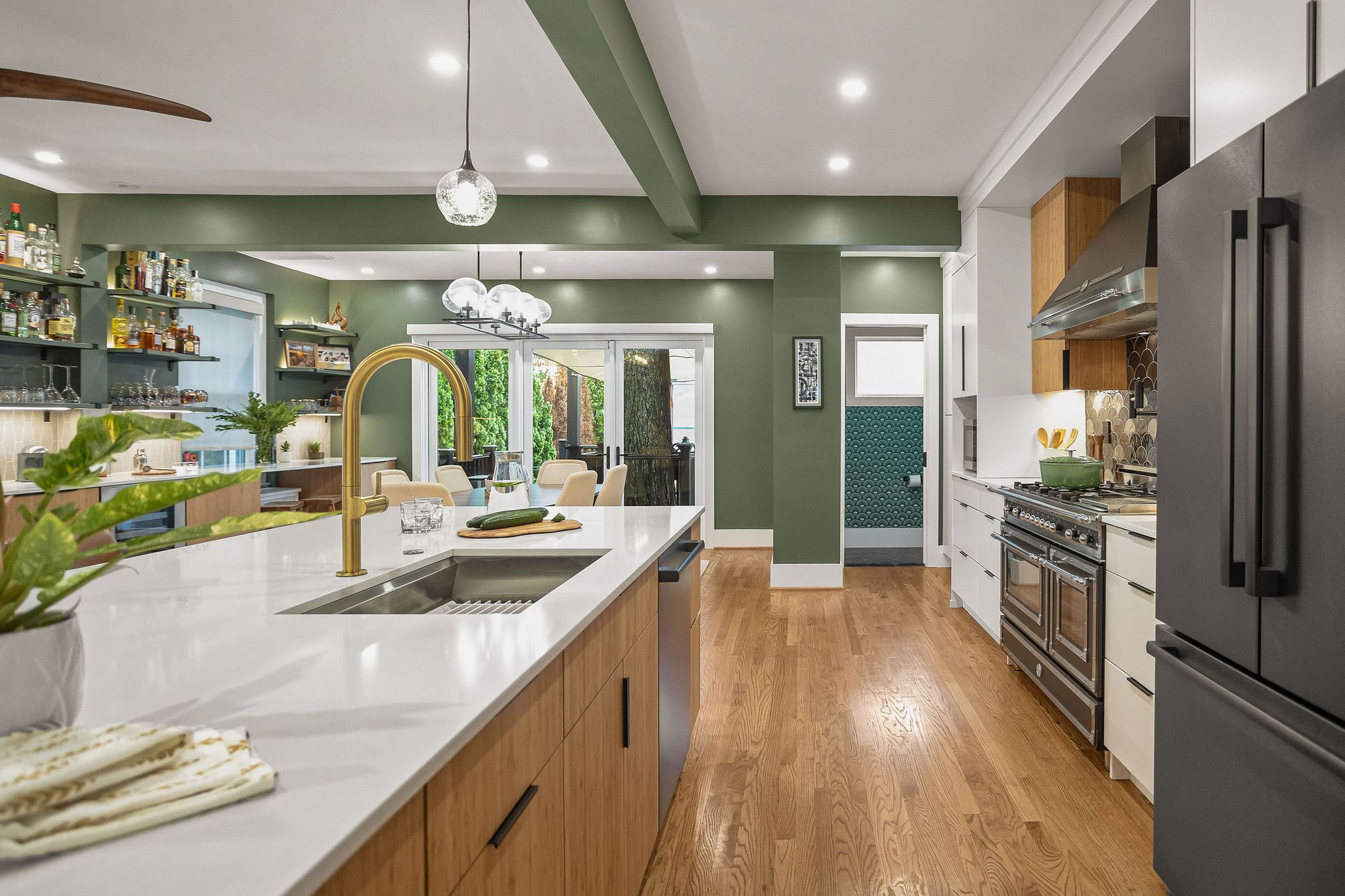
Many kitchens rely heavily on a single overhead fixture, and homeowners often notice the difference without quite knowing how to name it. The room is functional, but the sink may feel dim after sunset, or the countertop may sit in shadow during meal preparation. Layered lighting is what gives the kitchen enough light for the work that happens there, along with more flexibility after the workday is done.
It follows the same principle as designing a kitchen layout around daily rituals: every choice supporting the way you actually use the room.
Layered lighting combines ambient, task, and accent lighting so the kitchen can support different activities and times of day.
So, how do you layer lighting in a room effectively? Start by thinking about how you use your kitchen. Do you find yourself preparing many meals, cleaning up, gathering around the island, or perhaps moving through the room early in the morning or later in the evening?
Ambient lighting provides the foundation for the room. It should make the kitchen comfortable to move through without placing all the work of illumination on one fixture.
In many DC kitchen layouts for families, recessed LED lights are a practical choice because they provide broad, even illumination without introducing a large fixture into the ceiling plane. Their placement should follow the kitchen layout, ceiling conditions, and primary work areas rather than simply being arranged in a grid.
This is where function meets style. Kitchen lighting ideas over sink areas should account for how the sink is used after daylight has faded. Depending on the layout, a pendant, recessed fixture, or ceiling-mounted fixture can provide useful light for washing dishes and preparing food.
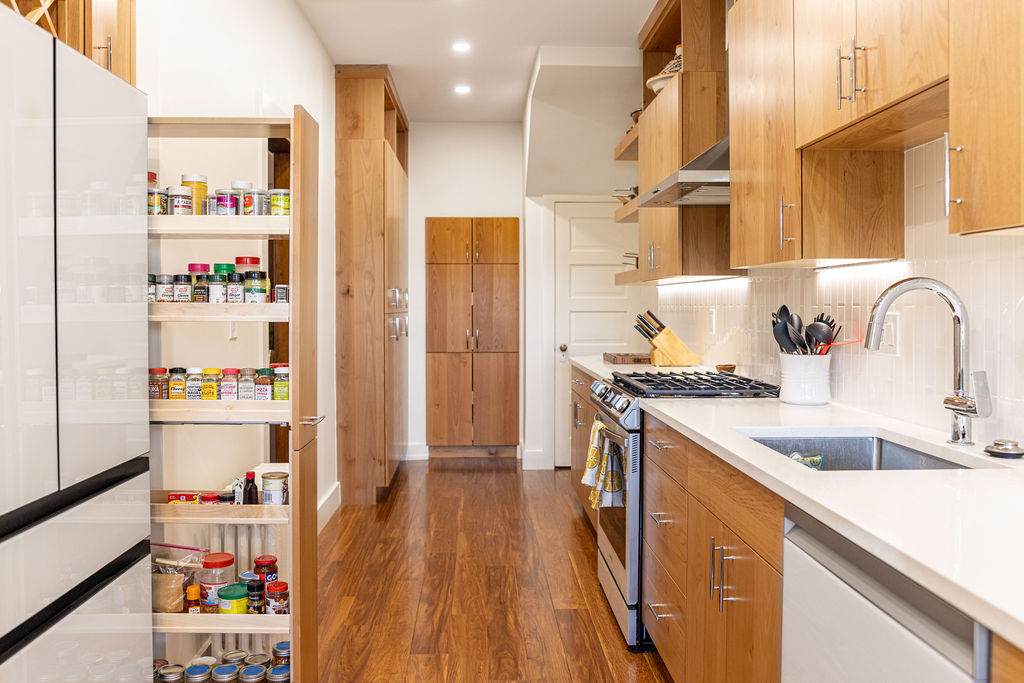
Also, do not overlook under-cabinet lights. They bring light directly to the countertop, helping reduce the shadows created when you stand at the work surface. That is useful for everyday chopping, mixing, and cleanup.
To add warmth and style, add some decorative touches. Modern kitchen lighting ideas often include stylish pendant lights over the island. These act like jewelry for your room, drawing the eye and adding personality. Using dimmer switches is key here, so you can lower the lights for a quiet dinner or a relaxed evening at home.
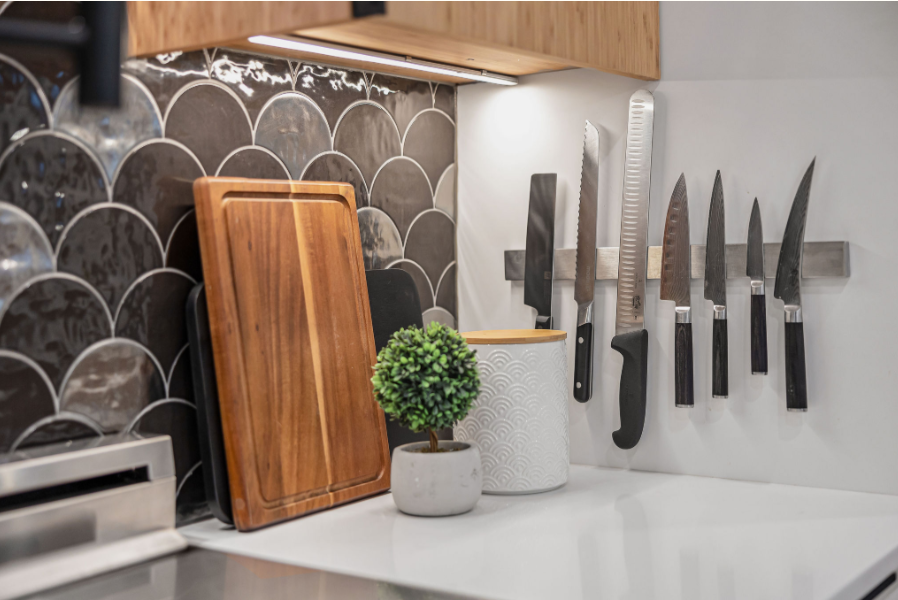
Recessed lights, pendants, under-cabinet fixtures, and chandeliers each serve a different purpose in the kitchen. The right choice depends on the area being lit and the kind of light it needs.
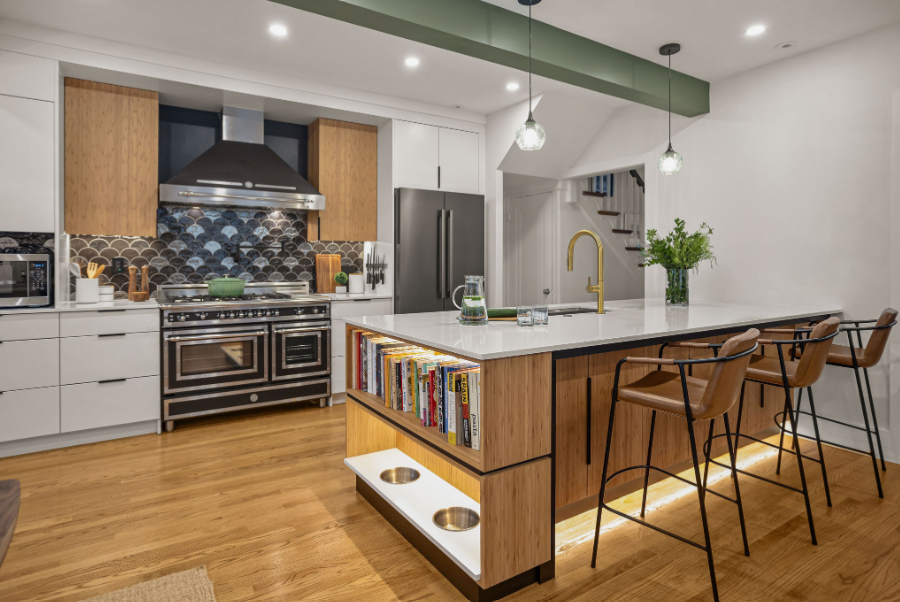
Beyond the layer a fixture belongs to, a few practical details are worth weighing before you make your final kitchen design lighting decisions.
Fixture finishes should relate to the cabinet hardware and plumbing fittings in the room. Brass, bronze, and matte black each set a different tone, and consistency across those three elements is what keeps a kitchen from looking assembled piece by piece.
LED fixtures draw a fraction of the power of what they replaced, and last long enough that access matters less. In recessed and under-cabinet positions, especially where changing a lamp means getting into the ceiling or under a cabinet run, longevity is worth the extra cost.
If you want dimming, scheduling, or scene control, that decision is best made during the design phase rather than afterward. Switching, wiring, and fixture compatibility all need to be planned together.
Kitchens produce heat, steam, and grease. Fixtures near a cooktop or sink are cleaned more often than fixtures elsewhere in the house, and finishes that clean easily tend to hold up better over time. Final fixture placement should also account for manufacturer requirements and applicable electrical and safety standards.
Countertops, sinks, and cooktops are the areas where clear visibility matters most. Plan adequate light for those work surfaces first, then use decorative fixtures to support the rest of the room.
When designing for DC homes, your lighting design ideas should account for where you live and what type of house you live in.
The answer isn't a single, perfect fixture. Instead, the best solution is a thoughtful combination of all three layers working together.
When you focus on kitchen lighting design through those three considerations, you create a space that supports both the work of the kitchen and the quieter parts of daily life.
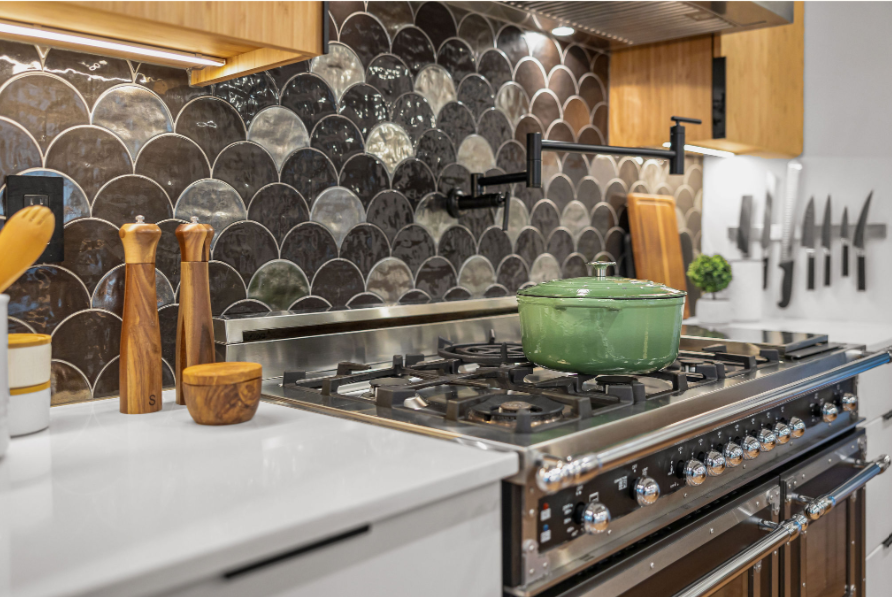
Lighting is one part of a well-designed kitchen, and those decisions are made during design rather than after the layout is set. Where each fixture goes depends on what is above the ceiling, how deep your cabinets are, and how the room is laid out. When your designer and builder are working from the same plan, those details can be coordinated before anything is ordered or installed.
Calm by design, our process provides clarity and structure throughout your renovation. You make the decisions; we assume responsibility for the experience.
Step 1: Initial Consultation We start with a 30-minute call to understand your goals and confirm we're a fit. If it feels right, we schedule an on-site visit to walk through your space, take measurements, and explore what's possible within your budget.
Step 2: Design Your designer guides you through two phases, schematic layout and detailed finish selections, with your budget and how your family lives at the forefront of every decision.
Step 3: Build Your dedicated project manager becomes your single point of contact. They coordinate DC permitting, manage material deliveries, and oversee construction from demolition through finishing details.
Step 4: Completion & Warranty We walk the space together to confirm everything functions as intended. Every renovation comes with a five-year workmanship warranty along with Crystal Cabinet Works' limited lifetime warranty.
Learn more about our complete process.
You can see how lighting choices come together in finished kitchens across DC in our portfolio
At Zen Renovations, we design and build kitchens that work for how you actually use them. Ready to talk about your kitchen? Schedule a consultation to explore what's possible.
Layered lighting combines three types of light in the same room: ambient light for moving through the space, task light for the sink and countertops where you prep, and accent light for details you want to highlight. Using all three gives the kitchen enough light for the work that happens there, with more flexibility at other times of day.
At the surfaces where the work happens. The sink is the first consideration, since it is used well after daylight has faded, and countertops come next. Depending on the layout, a pendant, recessed fixture, or ceiling-mounted fixture can cover the sink, while under-cabinet fixtures handle the countertop.
It brings light directly to the countertop, which helps reduce the shadows created when you stand at the work surface. That makes everyday chopping, mixing, and cleanup easier to see, and it doubles as low-level light in the evening.
Lighting decisions are best made during the design phase. Where each fixture goes depends on ceiling construction, cabinet depth, and room layout, so these details should be considered with your designer before ordering or installing anything.
Zen Renovations is an award-winning design+build remodeling contractor serving the Washington DC metro area from design studios in Capitol Hill and Takoma Park. Recognized as Washington City Paper's Best Contractor in DC for four consecutive years (2023–2026), we specialize in bathroom renovations, kitchens, basements, and home additions. With 30+ years navigating DC permitting and historic preservation guidelines, our in-house team guides homeowners through a renovation process that is calm by design.



.avif)


