Kitchen Remodeling
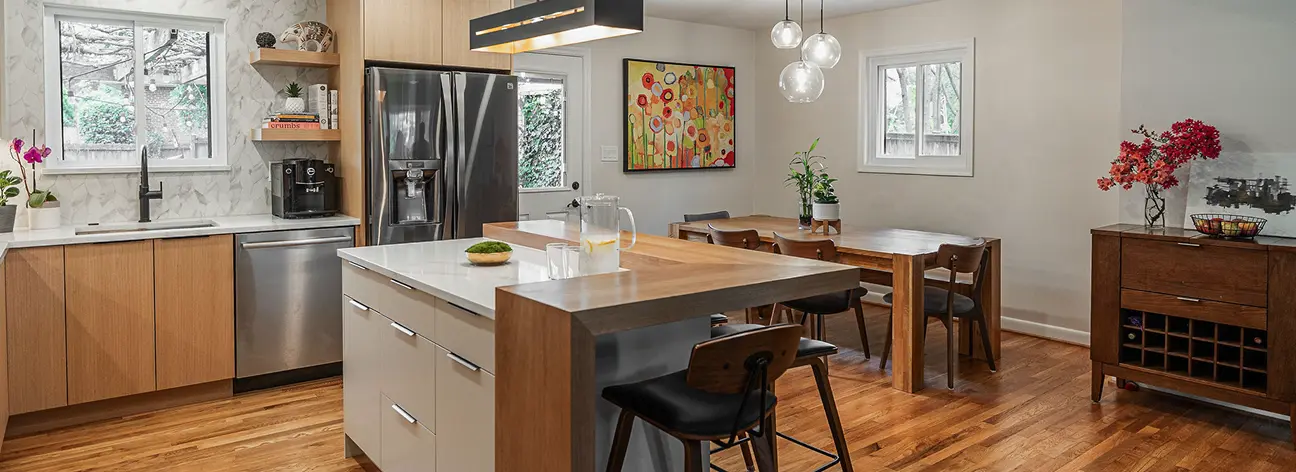
Kitchen Island Sizes: Finding the Perfect Fit for your Washington DC Home
By
Amber Niewald

Capitol Hill homeowners chose their home with intention. The brick, the millwork, the proportions of a rowhouse in DC built a century ago are exactly what drew them there. Most have lived with a kitchen that hasn't kept pace, and they know it. The question isn't whether to renovate. It's how to approach kitchen remodeling without losing what made the home worth choosing in the first place.
A historic home kitchen remodel on Capitol Hill asks something specific about the process. The structure has to be understood before any design decision is made. What the home already has, what it can accommodate, and how your household moves through the space day to day shape everything that follows. Getting them right at the start keeps the project grounded throughout.
As a design+build firm with 30 years of experience in DC home renovation, across DC's pre-war housing stock and recognized as Washington City Paper's Best Contractor in DC for three consecutive years, we approach every historic kitchen renovation as a single coordinated process. Your designer and builder work from the same plan at the same time, so preservation requirements, layout possibilities, and how your household needs the space to function are held together from the very first conversation. You make the decisions. We guide the experience.
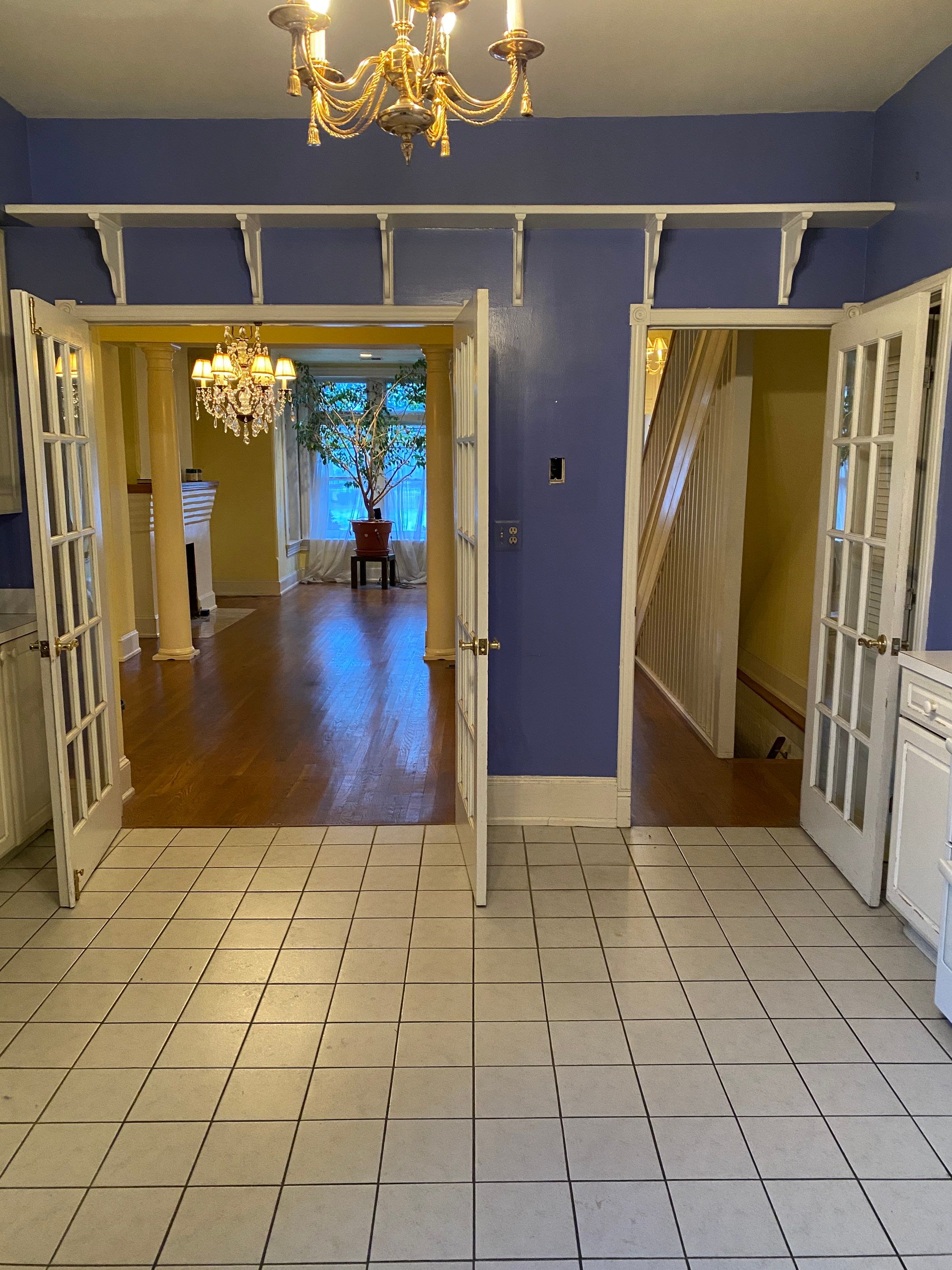
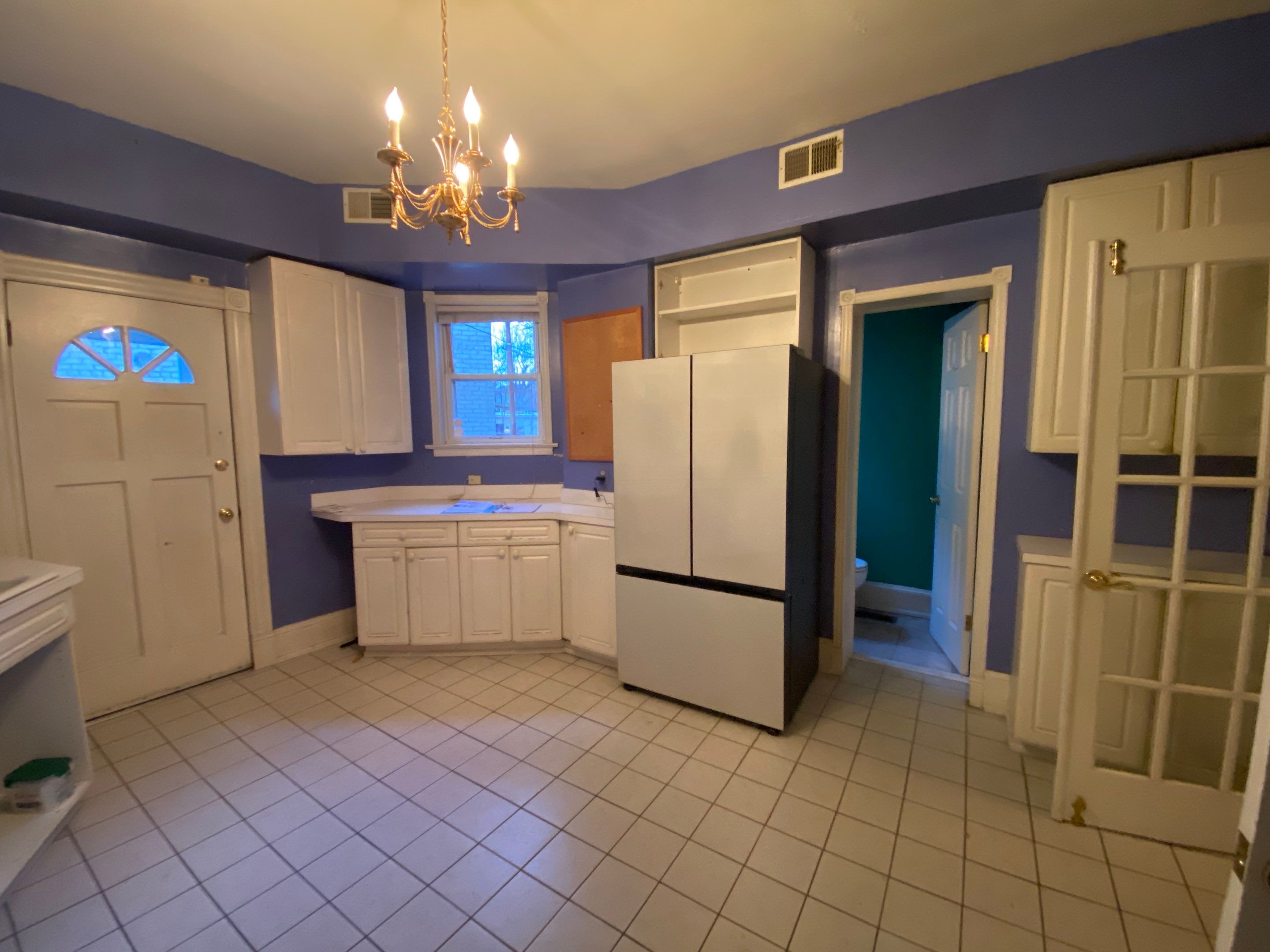
Capitol Hill homes were built between the 1870s and 1930s, and their kitchens reflect it: narrow footprints, load-bearing walls in unexpected places, original millwork, and floor materials that may be worth keeping. Every kitchen renovation in this neighborhood starts with the structure, understanding what it can accommodate before any design decisions are made.
Which walls can move and which cannot, and where original details like exposed brick, painted millwork, or period tile are worth restoring, and where updated materials will serve the space better. In a row house in DC, those answers are rarely obvious. Capitol Hill's preservation requirements vary by block, and what's permitted on one street may require full review on the next. Building that knowledge into the design process from the start is what keeps a project on track throughout construction.
Remodeling a kitchen in a rowhouse in DC requires balancing structural limitations with preservation goals, ensuring that any updates feel consistent with the home’s original character.
For some households, the structure also opens up another possibility. Where the budget allows and permitting supports it, a bump-out or addition can expand the footprint in a way that feels native to the home rather than added onto it.
Our post on designing a kitchen layout around daily rituals covers how layout decisions connect to how a household actually moves through the kitchen each day.
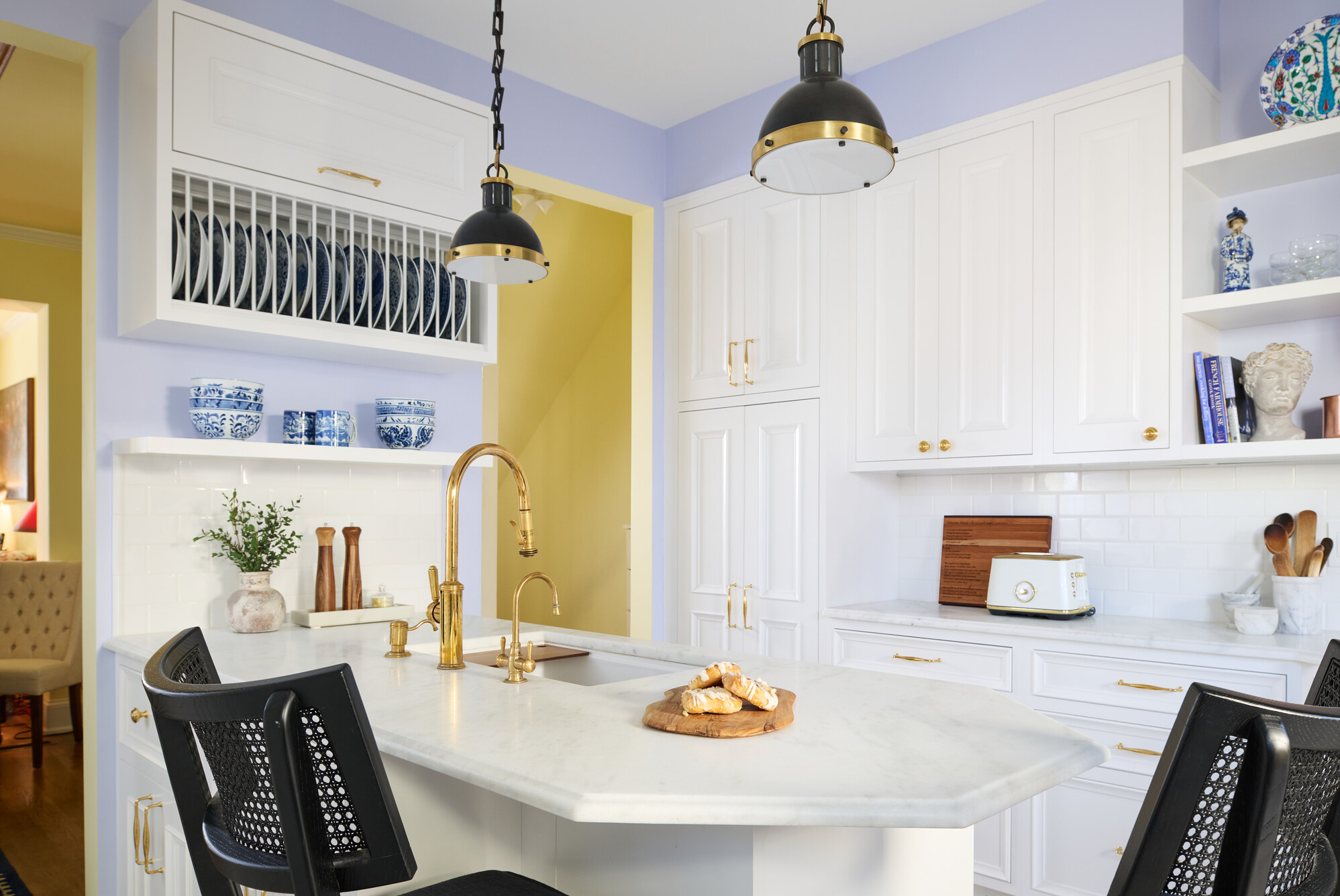
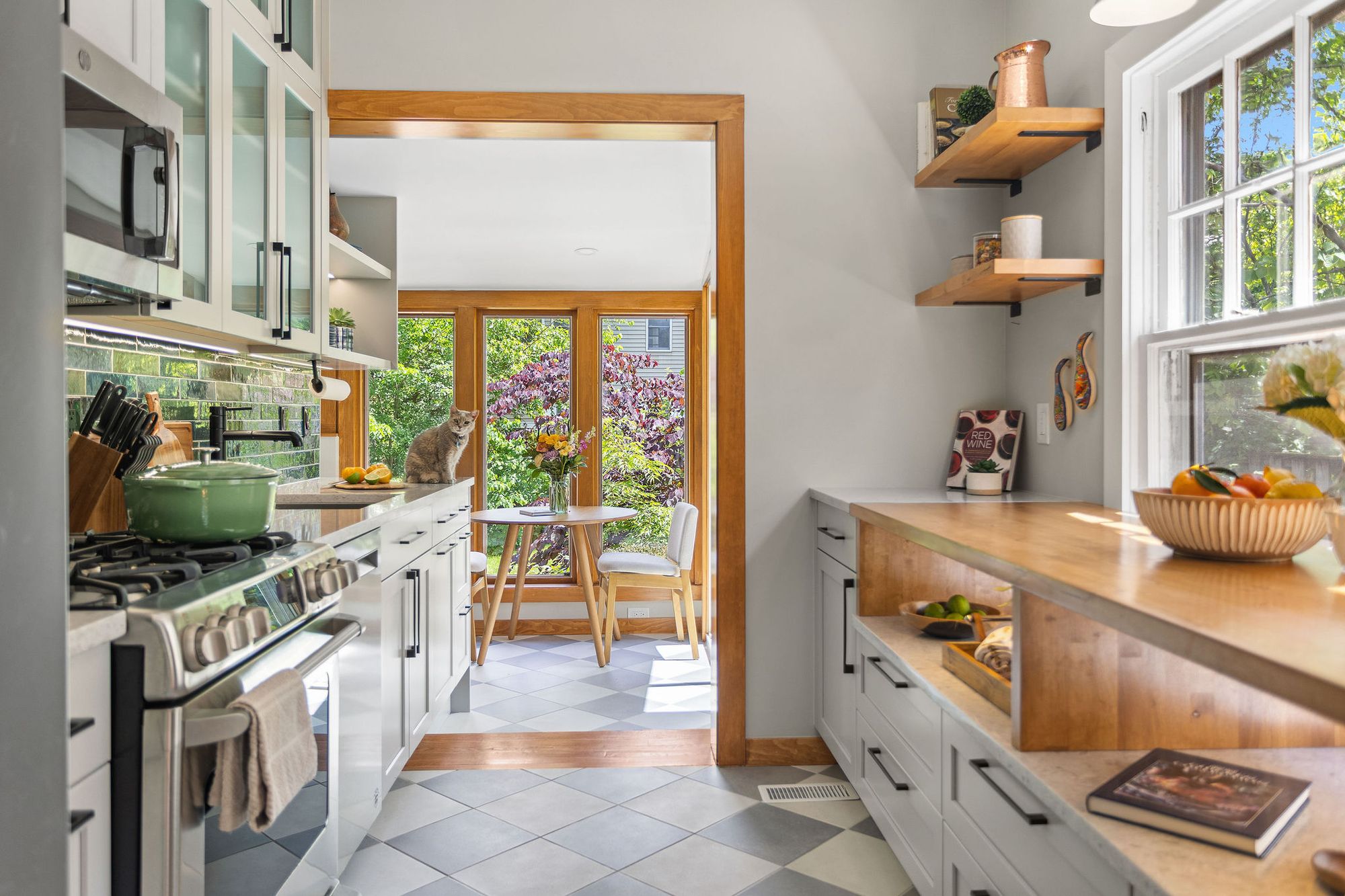
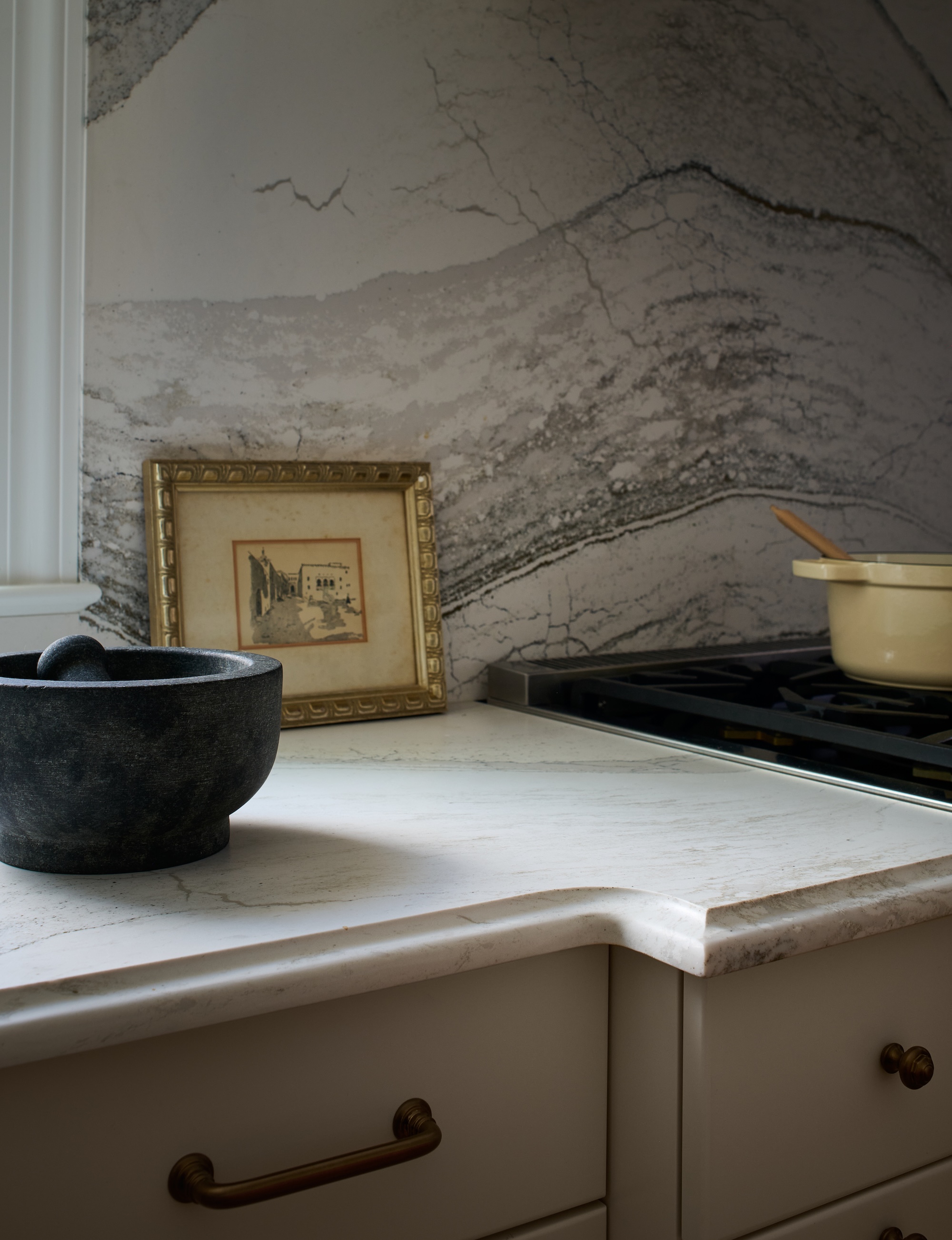
What stays consistent across every Capitol Hill kitchen is how materials are chosen. Whether the direction is warm and period-appropriate or clean and contemporary, cabinet profiles, proportions, and finishes are selected in the context of what already exists in the room: the ceiling height, the natural light, and the overall character of the house. The goal is a kitchen that feels like it belongs there, whatever the aesthetic.
Through our partnership with Crystal Cabinet Works, every Zen kitchen includes semi- or fully custom cabinets designed specifically for your layout. Whether the direction reflects the character of a historic kitchen or moves toward something more contemporary, every cabinet is built new to fit the space. Crystal Cabinet Works' limited lifetime warranty is included with every project.
Our guide on selecting warm and minimalist cabinetry covers how wood species, tone, and finish work together in pre-war homes.
For the homeowners we work with on Capitol Hill, whether they're updating a kitchen for the next chapter of how they live or making a first major renovation work for a growing family, the design+build process is built around how renovation actually feels to move through.
In Capitol Hill, kitchen remodeling projects in a historic district involve permits, preservation board approvals, and building codes that vary by block and by structure. With 30 years of experience navigating those requirements, we build permitting into the design process from the start, not as a separate step.
In a historic kitchen renovation, what's structurally possible, what requires approval, and what your household needs are resolved together before anything is ordered or installed. One team. One point of accountability. No gap between what was designed and what gets built.
Calm by design, our process provides clarity and structure throughout your renovation. You make the decisions; we guide the experience.
We start with a 30-minute call to understand your goals and confirm we are a fit. If it feels right, we schedule an on-site visit to walk your space, take measurements, and explore what is possible within your budget.
Your designer guides you through two phases, schematic layout and detailed finish selections, with your budget and how your family lives at the forefront of every decision. All elements are considered together, not assembled separately.
Your dedicated project manager becomes your single point of contact. They coordinate DC permitting, manage material deliveries, and oversee construction from demolition through finishing details.
We walk the space together to confirm everything functions as intended. Every renovation comes with a five-year workmanship warranty along with Crystal Cabinet Works' limited lifetime warranty.
Learn more about our complete process.
Ready to talk about your Capitol Hill kitchen? Schedule a consultation
Zen Renovations is an award-winning design+build firm serving Washington DC-area homeowners from studios in Capitol Hill and Takoma Park. Recognized as Washington City Paper's Best Contractor in DC for three consecutive years (2023–2025).





.avif)


